
Peripheral Neuropathy and Fall Risk in the Elderly

Peripheral neuropathy affects the nerves that carry sensation from the feet and legs to the brain. In older adults, this condition often reduces the ability to feel the ground, notice uneven surfaces, or sense pressure changes. When balance feedback is dulled, walking becomes less stable, and the risk of falls rises. Falls in the elderly can lead to fractures, loss of independence, and long recovery periods. Neuropathy may be caused by diabetes, vitamin deficiencies, circulation problems, or certain medications. Symptoms can include numbness, tingling, burning pain, or weakness that worsens over time. Wearing supportive footwear, balance training, and early treatment may help lower fall risk. When numbness, frequent stumbles, or unexplained foot changes appear, it is suggested that you see a podiatrist for a proper diagnosis and appropriate treatment.

Neuropathy

Neuropathy can be a potentially serious condition, especially if it is left undiagnosed. If you have any concerns that you may be experiencing nerve loss in your feet, consult with one of our podiatrists from Adler Foot and Ankle. Our doctors will assess your condition and provide you with quality foot and ankle treatment for neuropathy.

What Is Neuropathy?

Neuropathy is a condition that leads to damage to the nerves in the body. Peripheral neuropathy, or neuropathy that affects your peripheral nervous system, usually occurs in the feet. Neuropathy can be triggered by a number of different causes. Such causes include diabetes, infections, cancers, disorders, and toxic substances.

Symptoms of Neuropathy Include:

  • Numbness
  • Sensation loss
  • Prickling and tingling sensations
  • Throbbing, freezing, burning pains
  • Muscle weakness

Those with diabetes are at serious risk due to being unable to feel an ulcer on their feet. Diabetics usually also suffer from poor blood circulation. This can lead to the wound not healing, infections occurring, and the limb may have to be amputated.

Treatment

To treat neuropathy in the foot, podiatrists will first diagnose the cause of the neuropathy. Figuring out the underlying cause of the neuropathy will allow the podiatrist to prescribe the best treatment, whether it be caused by diabetes, toxic substance exposure, infection, etc. If the nerve has not died, then it’s possible that sensation may be able to return to the foot.

Pain medication may be issued for pain. Electrical nerve stimulation can be used to stimulate nerves. If the neuropathy is caused from pressure on the nerves, then surgery may be necessary.

If you have any questions, please feel free to contact our offices located in Hallandale and North Miami Beach, FL . We offer the newest diagnostic and treatment technologies for all your foot care needs.
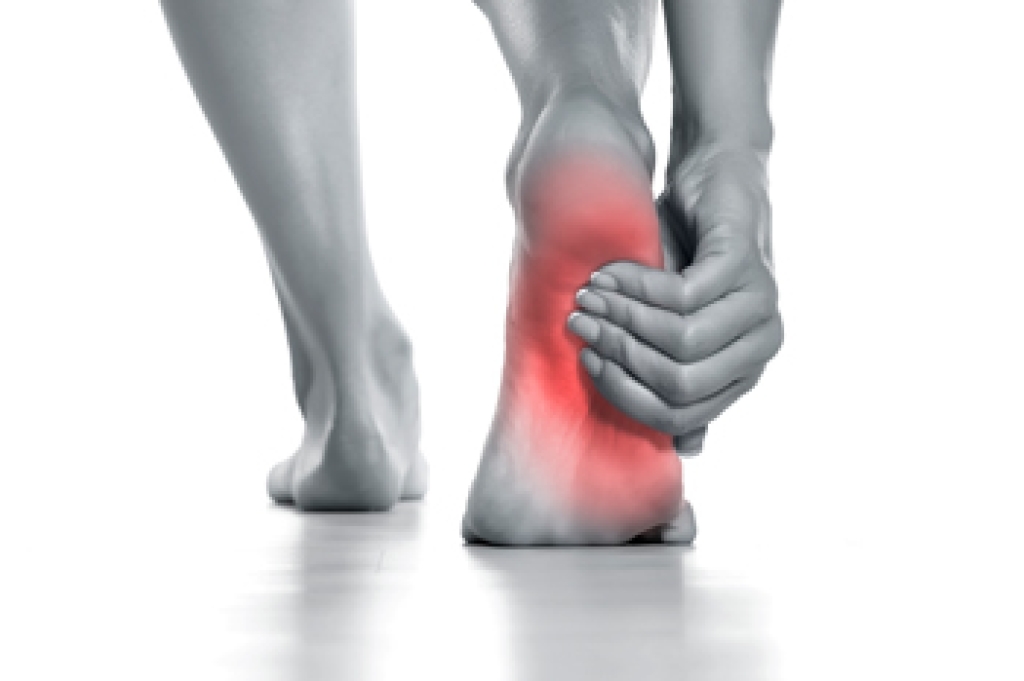
Read more about Neuropathy

When the Middle of the Foot Sends a Warning

Foot arch pain can affect people of all ages and activity levels. It often develops when the structures that support the arch become strained or inflamed due to overuse, flat feet, high arches, or sudden changes in activity. Symptoms include aching, burning, or sharp pain along the inner or central part of the foot that worsens with standing or walking. The foot may look normal or show subtle swelling, and the arch can feel tender or fatigued, especially first thing in the morning or after long periods on the feet. A podiatrist can help by starting with a detailed history and physical examination, sometimes supported by imaging, to identify the exact cause. Treatment may begin with footwear guidance and custom orthotics, followed by targeted exercises, activity modification, and other therapies to reduce strain and improve support. If you have foot arch pain, it is suggested that you make an appointment with a podiatrist.

Foot Pain

Foot pain can be extremely painful and debilitating. If you have a foot pain, consult with one of our podiatrists from Adler Foot and Ankle. Our doctors will assess your condition and provide you with quality foot and ankle treatment.

Causes

Foot pain is a very broad condition that could be caused by one or more ailments. The most common include:

  • Bunions
  • Hammertoes
  • Plantar Fasciitis
  • Bone Spurs
  • Corns
  • Tarsal Tunnel Syndrome
  • Ingrown Toenails
  • Arthritis (such as Gout, Rheumatoid, and Osteoarthritis)
  • Flat Feet
  • Injury (from stress fractures, broken toe, foot, ankle, Achilles tendon ruptures, and sprains)
  • And more

Diagnosis

To figure out the cause of foot pain, podiatrists utilize several different methods. This can range from simple visual inspections and sensation tests to X-rays and MRI scans. Prior medical history, family medical history, and any recent physical traumatic events will all be taken into consideration for a proper diagnosis.

Treatment

Treatment depends upon the cause of the foot pain. Whether it is resting, staying off the foot, or having surgery; podiatrists have a number of treatment options available for foot pain.

If you have any questions, please feel free to contact our offices located in Hallandale and North Miami Beach, FL . We offer the newest diagnostic and treatment technologies for all your foot care needs.

Read more about Foot Pain

Stop Your Toenail Fungus

Have you noticed discoloration of your toenails? Have they become thickened or brittle? If so, you may be experiencing symptoms of a fungal nail infection. For some, having a fungal nail can be embarrassing. Overcome your embarrassment, and get treated.

Cold Feet May Be a Sign of Raynaud’s Syndrome

Persistently cold feet are not always related to weather and can sometimes signal Raynaud's syndrome, a condition that affects blood flow to the toes. Raynaud's causes small blood vessels to narrow excessively in response to cold or stress, leading to pale or bluish skin, numbness, tingling, and aching sensations. During an episode, toes may feel stiff or painful, and normal color and warmth can take time to return. Over time, repeated episodes can increase the risk of skin breakdown, slow healing, or ulcer formation, particularly in people with circulation or nerve issues. A podiatrist can evaluate circulation in the feet, review symptom patterns, rule out other causes of discolored toes, and assess severity. Treatment may focus on foot health, monitoring skin changes, and managing complications. For help dealing with chronically cold feet, it is suggested that you make an appointment with a podiatrist for an exam, diagnosis, and treatment.

When dealing with systemic disease of the feet, it is extremely important to check the affected areas routinely so that any additional problems are caught quickly.  If you have any concerns about your feet and ankles contact one of our podiatrists from Adler Foot and Ankle. Our doctors will assist you with all of your podiatric needs.

Systemic Diseases of the Feet

Systemic diseases affect the whole body, and symptoms usually are displayed in the feet. This condition can make a patient’s ability to walk unbearable.  Systemic diseases include gout, diabetes mellitus, neurological disorders, and arthritis.

Gout – is caused by an excess of uric acid in the body. Common symptoms include pain, inflammation, and redness at the metatarsal/phalangeal joint of the base big toe. Gout can be treated by NSAIDs to relieve pain and inflammation, and other drugs that lower the acid levels in the body.

Diabetes mellitus – is an increase in the level of blood sugar that the body cannot counteract with its own insulin. Failure to produce enough insulin is a factor in Diabetes.

Diabetes of the Feet

Diabetic Neuropathy – may lead to damaged nerves and affect the feet through numbness and loss of sensation.

Peripheral Vascular Disease – can restrict the blood flow to the feet, and often times lead to amputation of the feet. 

If you have any questions please contact our offices located in Hallandale and North Miami Beach, FL . We offer the newest diagnostic and treatment technologies for all your foot and ankle needs.

Read more about Systemic Diseases of the Foot

Clubfoot Causes and Care

Clubfoot is a common birth defect in which a baby is born with one or both feet turned inward and downward due to abnormal development of muscles, ligaments, and bones. The exact causes are not always known, but may include genetic factors and differences in fetal development during pregnancy. The Ponseti treatment method is the most widely used approach for care and involves gentle stretching, casting, and bracing to gradually correct foot position and function. A podiatrist plays an important role in monitoring foot development, guiding treatment, and supporting long-term mobility and comfort. Early care leads to the best outcomes. If your child has been born with clubfoot, it is strongly suggested that you have a podiatrist on your healthcare team who can provide effective treatment and compassionate guidance.

Congenital foot problems require immediate attention to avoid future complications. If you have any concerns, contact one of our podiatrists of Adler Foot and Ankle. Our doctors can provide the care you need to keep you pain-free and on your feet.

Congenital foot problems are deformities affecting the feet, toes, and/or ankles that children are born with. Some of these conditions have a genetic cause while others just happen. Some specific foot ailments that children may be born with include clubfeet, polydactyly/macrodactyly, and cleft foot. There are several other foot anomalies that can occur congenitally. What all of these conditions have in common is that a child may experience difficulty walking or performing everyday activities, as well as trouble finding footwear that fits their foot deformity. Some of these conditions are more serious than others. Consulting with a podiatrist as early as possible will help in properly diagnosing a child’s foot condition while getting the necessary treatment underway.

What are Causes of Congenital Foot Problem?

A congenital foot problem is one that happens to a child at birth. These conditions can be caused by a genetic predisposition, developmental or positional abnormalities during gestation, or with no known cause.

What are Symptoms of Congenital Foot Problems?

Symptoms vary by the congenital condition. Symptoms may consist of the following:

  • Clubfoot, where tendons are shortened, bones are shaped differently, and the Achilles tendon is tight, causing the foot to point in and down. It is also possible for the soles of the feet to face each other.
  • Polydactyly, which usually consists of a nubbin or small lump of tissue without a bone, a toe that is partially formed but has no joints, or an extra toe.
  • Vertical talus, where the talus bone forms in the wrong position causing other bones in the foot to line up improperly, the front of the foot to point up, and the bottom of the foot to stiffen, with no arch, and to curve out.
  • Tarsal coalition, when there is an abnormal connection of two or more bones in the foot leading to severe, rigid flatfoot.
  • Cleft foot, where there are missing toes, a V-shaped cleft, and other anatomical differences.
  • Macrodactyly, when the toes are abnormally large due to overgrowth of the underlying bone or soft tissue.

Treatment and Prevention

While there is nothing one can do to prevent congenital foot problems, raising awareness and receiving neonatal screenings are important. Early detection by taking your child to a podiatrist leads to the best outcome possible.

If you have any questions, please feel free to contact our offices located in Hallandale and North Miami Beach, FL . We offer the newest diagnostic and treatment technologies for all your foot care needs.

Read more about Congenital Foot Problems

Connect With Us

scroll to top