
Achilles Tendon Injuries in Soccer Players

Achilles tendon injuries are common among soccer players due to repetitive running, sudden acceleration, and frequent jumping. Achilles tendinopathies refer to chronic irritation or degeneration of the tendon, often resulting in pain, swelling, and reduced performance. Mid portion Achilles tendinopathy affects the middle section of the tendon and typically develops from overuse, while insertion Achilles tendinopathy occurs where the tendon attaches to the heel bone and may involve inflammation or bone spurs. Symptoms may include stiffness, tenderness, swelling, and difficulty with explosive movements. A podiatrist can evaluate the extent of injury, provide targeted treatment, including orthotics, activity modification, and recommend surgical options, if necessary. If you have sustained an Achilles tendon injury, it is suggested that you consult a podiatrist who can accurately diagnose the problem, and offer effective treatment solutions.

Achilles tendon injuries need immediate attention to avoid future complications. If you have any concerns, contact one of our podiatrists of Adler Foot and Ankle. Our doctors can provide the care you need to keep you pain-free and on your feet.

What Is the Achilles Tendon?

The Achilles tendon is a tendon that connects the lower leg muscles and calf to the heel of the foot. It is the strongest tendon in the human body and is essential for making movement possible. Because this tendon is such an integral part of the body, any injuries to it can create immense difficulties and should immediately be presented to a doctor.

What Are the Symptoms of an Achilles Tendon Injury?

There are various types of injuries that can affect the Achilles tendon. The two most common injuries are Achilles tendinitis and ruptures of the tendon.

Achilles Tendinitis Symptoms

  • Inflammation
  • Dull to severe pain
  • Increased blood flow to the tendon
  • Thickening of the tendon

Rupture Symptoms

  • Extreme pain and swelling in the foot
  • Total immobility

Treatment and Prevention

Achilles tendon injuries are diagnosed by a thorough physical evaluation, which can include an MRI. Treatment involves rest, physical therapy, and in some cases, surgery. However, various preventative measures can be taken to avoid these injuries, such as:

  • Thorough stretching of the tendon before and after exercise
  • Strengthening exercises like calf raises, squats, leg curls, leg extensions, leg raises, lunges, and leg presses

If you have any questions please feel free to contact our offices located in Hallandale and North Miami Beach, FL . We offer the newest diagnostic tools and technology to treat your foot and ankle needs.
Read more about The Causes, Types, and Treatments of Achilles Tendon Injuries

Understanding the Main Types of Diabetic Foot Ulcers

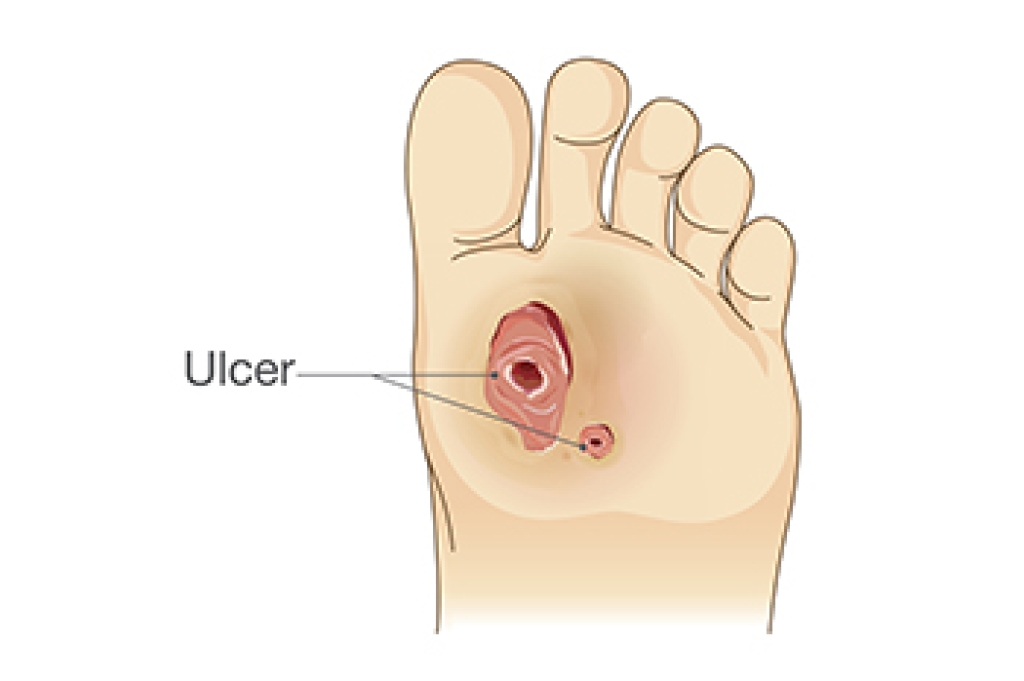
Diabetic foot ulcers are open wounds that can form when long-term diabetes damages nerves or reduces circulation in the lower extremities. These wounds are often grouped into three categories based on the main cause. Purely neuropathic ulcers develop when nerve damage reduces feeling in the foot. Because sensation is limited, a person may not notice pressure, rubbing, or small injuries, allowing the skin to break down over time. Purely ischemic ulcers are related to poor blood flow. When circulation to the feet is reduced, the skin and tissues receive less oxygen and nutrients, which makes healing slow and increases the risk of tissue damage. Mixed neuroischemic ulcers involve both nerve damage and poor circulation. This combination can make injuries harder to detect and more difficult for the body to repair. If you have diabetes and a sore on the foot does not heal normally or becomes painful or swollen, it is suggested that you promptly see a podiatrist for a proper diagnosis and appropriate treatment.

Diabetic foot care is important in preventing foot ailments such as ulcers. If you are suffering from diabetes or have any other concerns about your feet, contact one of our podiatrists from Adler Foot and Ankle. Our doctors can provide the care you need to keep you pain-free and on your feet.

Diabetic Foot Care

Diabetes affects millions of people every year. The condition can damage blood vessels in many parts of the body, especially the feet. Because of this, taking care of your feet is essential if you have diabetes, and having a podiatrist help monitor your foot health is highly recommended.

The Importance of Caring for Your Feet

  • Routinely inspect your feet for bruises or sores.
  • Wear socks that fit your feet comfortably.
  • Wear comfortable shoes that provide adequate support.

Patients with diabetes should have their doctor monitor their blood levels, as blood sugar levels play such a huge role in diabetic care. Monitoring these levels on a regular basis is highly advised.

It is always best to inform your healthcare professional of any concerns you may have regarding your feet, especially for diabetic patients. Early treatment and routine foot examinations are keys to maintaining proper health, especially because severe complications can arise if proper treatment is not applied.

If you have any questions, please feel free to contact our offices located in Hallandale and North Miami Beach, FL . We offer the newest diagnostic and treatment technologies for all your foot care needs.

Read more about Diabetic Foot Care

When Thick Yellow Toenails Signal a Fungal Infection

Toenail fungus is a common condition that often begins quietly. You may first notice a small white or yellow spot under the nail. Over time, the nail can become thick, brittle, discolored, and difficult to trim. Some nails may lift from the nail bed or develop a crumbly texture. Warm, moist environments inside shoes create an ideal setting for fungal growth. People who use public pools, share nail tools, or have diabetes are at higher risk. Treatment depends on the severity of the infection. Mild cases may respond to prescription topical medications applied daily. More advanced infections often require oral antifungal medicine to reach the fungus beneath the nail. In certain situations, partial nail removal may be recommended to allow better healing. Early care improves the chance of clearing the infection and preventing spread to other nails. If you notice persistent toenail changes, it is suggested that you see a podiatrist for a proper diagnosis and appropriate treatment.

For more information about treatment, contact one of our podiatrists of Adler Foot and Ankle. Our doctors can provide the care you need to keep you pain-free and on your feet.

Toenail Fungus Treatment

Toenail fungus is a condition that affects many people and can be especially hard to get rid of. Fortunately, there are several methods to go about treating and avoiding it.

Antifungals & Deterrence

Oral antifungal medicine has been shown to be effective in many cases. It is important to consult with a podiatrist to determine the proper regiment for you, or potentially explore other options.

Applying foot powder on the feet and shoes helps keep the feet free of moisture and sweat.

Sandals or open toed shoes – Wearing these will allow air movement and help keep feet dry. They also expose your feet to light, which fungus cannot tolerate. Socks with moisture wicking material also help as well.

If you have any questions please contact our offices located in Hallandale and North Miami Beach, FL . We offer the newest diagnostic and treatment technologies for all your foot and ankle needs.

Read more about How to Treat Your Toenail Fungus

It's Time for Beautiful Feet

You don't need an excuse to have beautiful nails. Step outside without worrying about the appearance of your feet.

Cuboid Sling Surgery for Midfoot Stability

Cuboid sling surgery is a procedure used to address ongoing pain and instability along the outside of the foot, often involving the cuboid bone. This small bone plays a key role in foot balance and weight transfer during walking. When the cuboid shifts or becomes unstable due to injury, ligament damage, or chronic strain, patients may experience sharp lateral foot pain that does not improve with conservative care. A cuboid sling procedure is designed to stabilize the bone by supporting it with surrounding soft tissue, helping restore proper alignment and reduce abnormal motion. The goal is to improve function, decrease pain, and allow the foot to move more efficiently. Recovery typically includes a period of protection followed by gradual return to activity. If outer foot pain persists despite treatment, it is suggested that you see a podiatrist to determine whether surgical correction is appropriate.

Cuboid syndrome, also known as cuboid subluxation, occurs when the joints and ligaments near the cuboid bone in the foot become torn. If you have cuboid syndrome, consult with one of our podiatrists from Adler Foot and Ankle. Our doctors will assess your condition and provide you with quality foot and ankle treatment.

Cuboid syndrome is a common cause of lateral foot pain, which is pain on the outside of the foot. The condition may happen suddenly due to an ankle sprain, or it may develop slowly overtime from repetitive tension through the bone and surrounding structures.

Causes

The most common causes of cuboid syndrome include:

  • Injury – The most common cause of this ailment is an ankle sprain.
  • Repetitive Strain – Tension placed through the peroneus longus muscle from repetitive activities such as jumping and running may cause excessive traction on the bone causing it to sublux.
  • Altered Foot Biomechanics – Most people suffering from cuboid subluxation have flat feet.

Symptoms

A common symptom of cuboid syndrome is pain along the outside of the foot which can be felt in the ankle and toes. This pain may create walking difficulties and may cause those with the condition to walk with a limp.

Diagnosis

Diagnosis of cuboid syndrome is often difficult, and it is often misdiagnosed. X-rays, MRIs and CT scans often fail to properly show the cuboid subluxation. Although there isn’t a specific test used to diagnose cuboid syndrome, your podiatrist will usually check if pain is felt while pressing firmly on the cuboid bone of your foot.

Treatment

Just as the range of causes varies widely, so do treatments. Some more common treatments are ice therapy, rest, exercise, taping, and orthotics.

If you have any questions, please feel free to contact our offices located in Hallandale and North Miami Beach, FL . We offer the newest diagnostic and treatment technologies for all your foot care needs.

Read more about Cuboid Syndrome

Connect With Us

scroll to top