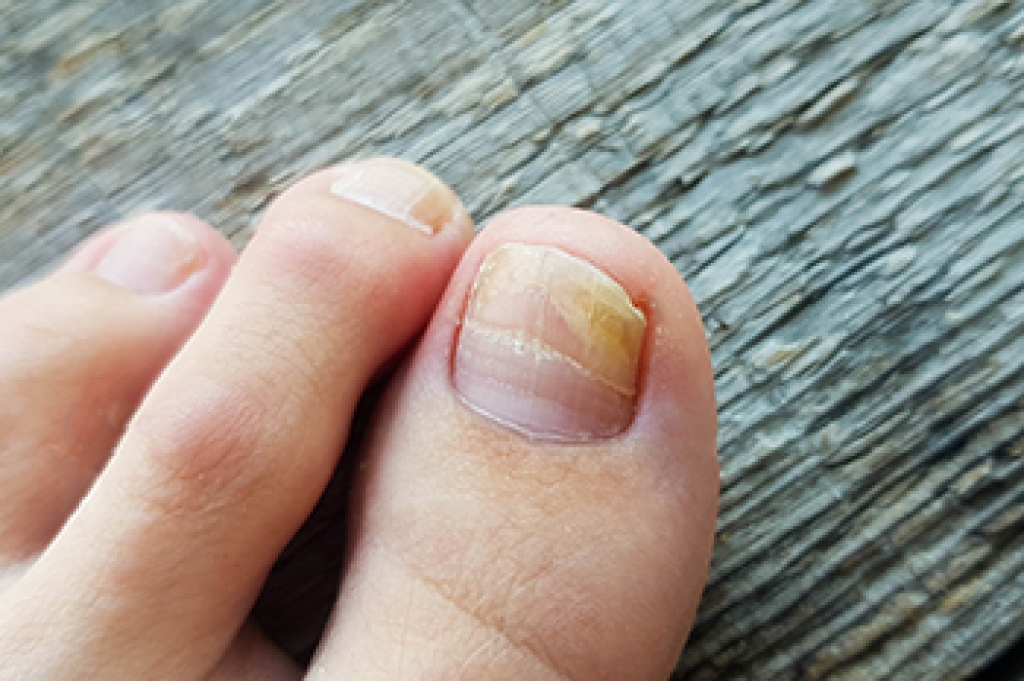
Toenail Fungus From Early Signs to Severe Nail Damage

Toenail fungus, also known as onychomycosis, is a progressive infection caused by fungi that thrive in warm, moist environments. It typically begins when microscopic organisms enter through small cracks in the nail or surrounding skin. In the early stage, the infection may appear as a small white or yellow spot under the nail surface. At this point, symptoms are mild and often overlooked, with little to no discomfort. This stage can last several weeks to a few months, depending on hygiene, footwear, and immune response. Early identification is important because treatment is more effective before the infection spreads deeper into the nail.

As the condition progresses into the moderate stage, visible changes become more noticeable. The nail may thicken, discolor, and develop a brittle or crumbly texture. Yellow-brown staining and slight lifting of the nail from the nail bed are common. Mild discomfort may develop, especially while wearing shoes. This stage can persist for several months and is often when patients begin seeking care. Without treatment, the fungus continues to spread, making the nail harder to manage and increasing the risk of complications.


In the advanced stage, toenail fungus can cause significant nail deformity and discomfort. The nail may become severely thickened and dark in color. In some cases, the nail may partially detach from the nail bed or emit an unpleasant odor. Pain may occur with walking or pressure, especially in tight footwear. This stage may take a year or longer to fully develop and often requires more aggressive treatment. The infection can also spread to other nails or surrounding skin if not properly addressed.


Risk factors play a major role in fungal progression. Individuals with diabetes, weakened immune systems, or poor circulation are more susceptible. Wearing tight-fitting shoes, excessive sweating, and walking barefoot in communal areas increase exposure. Older adults are at higher risk due to slower nail growth and reduced immunity. Proper foot hygiene and early care can slow or prevent progression. If you notice changes in your toenails, it is strongly suggested that you consult a podiatrist for effective treatment solutions, which may include prescribed medication.

If left untreated, toenail fungus may spread to other toenails, skin, or even fingernails. If you suspect you have toenail fungus it is important to seek treatment right away. For more information about treatment, contact one of our podiatrists of Adler Foot and Ankle. Our doctors can provide the care you need to keep you pain-free and on your feet.

Symptoms

  • Warped or oddly shaped nails
  • Yellowish nails
  • Loose/separated nail
  • Buildup of bits and pieces of nail fragments under the nail
  • Brittle, broken, thickened nail

Treatment

If self-care strategies and over-the-counter medications does not help your fungus, your podiatrist may give you a prescription drug instead. Even if you find relief from your toenail fungus symptoms, you may experience a repeat infection in the future.

Prevention

In order to prevent getting toenail fungus in the future, you should always make sure to wash your feet with soap and water. After washing, it is important to dry your feet thoroughly especially in between the toes. When trimming your toenails, be sure to trim straight across instead of in a rounded shape. It is crucial not to cover up discolored nails with nail polish because that will prevent your nail from being able to “breathe”.

In some cases, surgical procedure may be needed to remove the toenail fungus. Consult with your podiatrist about the best treatment options for your case of toenail fungus.  

If you have any questions please contact our offices located in Hallandale and North Miami Beach, FL . We offer the newest diagnostic and treatment technologies for all your foot and ankle needs.


Read more about Toenail Fungus

Why Ankle Swelling Changes With the Seasons

Ankle swelling can become more noticeable during certain times of year, especially in warmer weather. Heat causes blood vessels to widen, which can allow more fluid to collect in the lower legs and ankles, particularly after long periods of standing or sitting. Summer travel, increased outdoor activity, and dehydration can also contribute to swelling. Colder months may bring different concerns, including reduced activity levels that slow circulation and allow fluid buildup. Seasonal footwear changes can play a role as well, since less supportive shoes may place added stress on the feet and ankles. While occasional mild swelling may be related to environmental factors, persistent or one-sided swelling can signal circulation problems, vein issues, injury, inflammation, or other medical concerns. A podiatrist can help determine whether swelling is mechanical or related to an underlying condition. If ankle swelling becomes frequent, painful, or unexplained, it is suggested that you visit a podiatrist for evaluation and appropriate relief and management solutions.

Ankle pain can be caused by a number of problems and may be potentially serious. If you have ankle pain, consult with one of our podiatrists from Adler Foot and Ankle. Our doctors will assess your condition and provide you with quality foot and ankle treatment.

Ankle pain is any condition that causes pain in the ankle. Due to the fact that the ankle consists of tendons, muscles, bones, and ligaments, ankle pain can come from a number of different conditions.

Causes

The most common causes of ankle pain include:

  • Types of arthritis (rheumatoid, osteoarthritis, and gout)
  • Ankle sprains
  • Broken ankles
  • Achilles tendonitis
  • Achilles tendon rupture
  • Stress fractures
  • Bursitis
  • Tarsal tunnel syndrome
  • Plantar fasciitis

Symptoms

Symptoms of ankle injury vary based upon the condition. Pain may include general pain and discomfort, swelling, aching, redness, bruising, burning or stabbing sensations, and/or loss of sensation.

Diagnosis

Due to the wide variety of potential causes of ankle pain, podiatrists will utilize a number of different methods to properly diagnose ankle pain. This can include asking for personal and family medical histories and of any recent injuries. Further diagnosis may include sensation tests, a physical examination, and potentially x-rays or other imaging tests.

Treatment

Just as the range of causes varies widely, so do treatments. Some more common treatments are rest, ice packs, keeping pressure off the foot, orthotics and braces, medication for inflammation and pain, and surgery.

If you have any questions please feel free to contact our offices located in Hallandale and North Miami Beach, FL . We offer the newest diagnostic tools and technology to treat your foot and ankle needs.

Read more about Various Causes of Ankle Pain

Steps Toward Pain-Free Feet

Foot pain can develop from everyday habits, overuse, poor shoe choices, or underlying structural problems in the feet. Wearing shoes that do not fit well, spending long hours standing, sudden increases in activity, and ignoring early discomfort can all contribute to pain. Choosing supportive footwear with enough room for the toes can reduce pressure and improve alignment. Replacing worn shoes and using proper support during exercise may also help protect the feet. Maintaining a healthy weight can decrease strain on joints, tendons, and soft tissues. A podiatrist can evaluate foot structure, gait, and pressure points to identify problems before they become more serious. Early care may help prevent conditions such as heel pain, tendon irritation, bunions, or stress injuries. If you are noticing recurring soreness, stiffness, or discomfort in your feet, it is suggested that you visit a podiatrist for an evaluation.

Foot Pain

Foot pain can be extremely painful and debilitating. If you have a foot pain, consult with one of our podiatrists from Adler Foot and Ankle. Our doctors will assess your condition and provide you with quality foot and ankle treatment.

Causes

Foot pain is a very broad condition that could be caused by one or more ailments. The most common include:

  • Bunions
  • Hammertoes
  • Plantar Fasciitis
  • Bone Spurs
  • Corns
  • Tarsal Tunnel Syndrome
  • Ingrown Toenails
  • Arthritis (such as Gout, Rheumatoid, and Osteoarthritis)
  • Flat Feet
  • Injury (from stress fractures, broken toe, foot, ankle, Achilles tendon ruptures, and sprains)
  • And more

Diagnosis

To figure out the cause of foot pain, podiatrists utilize several different methods. This can range from simple visual inspections and sensation tests to X-rays and MRI scans. Prior medical history, family medical history, and any recent physical traumatic events will all be taken into consideration for a proper diagnosis.

Treatment

Treatment depends upon the cause of the foot pain. Whether it is resting, staying off the foot, or having surgery; podiatrists have a number of treatment options available for foot pain.

If you have any questions, please feel free to contact our offices located in Hallandale and North Miami Beach, FL . We offer the newest diagnostic and treatment technologies for all your foot care needs.

Read more about Foot Pain

Inspect Your Feet Regularly for Abnormalities if You're Diabetic

Diabetic patients often have decreased sensitivity in their feet, which makes a visual inspection of the feet even more important. If you're diabetic, having periodic screenings is extremely important for maintaining the overall health of your feet. 

Keeping Feet Healthy Through the Senior Years

Proper foot care becomes increasingly important with age because the feet often experience changes in circulation, skin texture, joint flexibility, and sensation. Elderly individuals may develop dry skin, thickened toenails, and bunions. Hammertoes, swelling, or balance problems also can affect comfort and mobility. Reduced circulation and medical conditions, such as diabetes or arthritis, may increase the risk of infections, ulcers, and slow healing wounds. Foot pain can make walking difficult, and may contribute to falls or decreased activity. Wearing shoes that are too tight, worn out, or lacking support can place additional stress on aging feet. A podiatrist can examine the feet for changes in skin, nails, circulation, and nerve function while identifying problems before they become severe. Treatment may include routine nail care, callus reduction, and supportive footwear recommendations. Care for fungal nails or arthritis may also be provided. Regular foot examinations are especially important for seniors with diabetes or poor circulation. If you are experiencing foot problems related to aging, it is suggested that you schedule an appointment with a podiatrist.

Proper foot care is something many older adults forget to consider. If you have any concerns about your feet and ankles, contact one of our podiatrists from Adler Foot and Ankle. Our doctors can provide the care you need to keep you pain-free and on your feet.

The Elderly and Their Feet

As we age we start to notice many changes in our body, but the elder population may not notice them right away. Medical conditions may prevent the elderly to take notice of their foot health right away. Poor vision is a lead contributor to not taking action for the elderly.

Common Conditions 

  • Neuropathy – can reduce feeling in the feet and can hide many life-threatening medical conditions.
  • Reduced flexibility – prevents the ability of proper toenail trimming, and foot cleaning. If left untreated, it may lead to further medical issues.
  • Foot sores – amongst the older population can be serious before they are discovered. Some of the problematic conditions they may face are:
  • Gouging toenails affecting nearby toe
  • Shoes that don’t fit properly
  • Pressure sores
  • Loss of circulation in legs & feet
  • Edema & swelling of feet and ankles

Susceptible Infections

Diabetes and poor circulation can cause general loss of sensitivity over the years, turning a simple cut into a serious issue.

If you have any questions, please feel free to contact our offices located in Hallandale and North Miami Beach, FL . We offer the newest diagnostic and treatment technologies for all your foot care needs.

Read more about Elderly and their Feet

Connect With Us

scroll to top